People

Directors
University of Waterloo
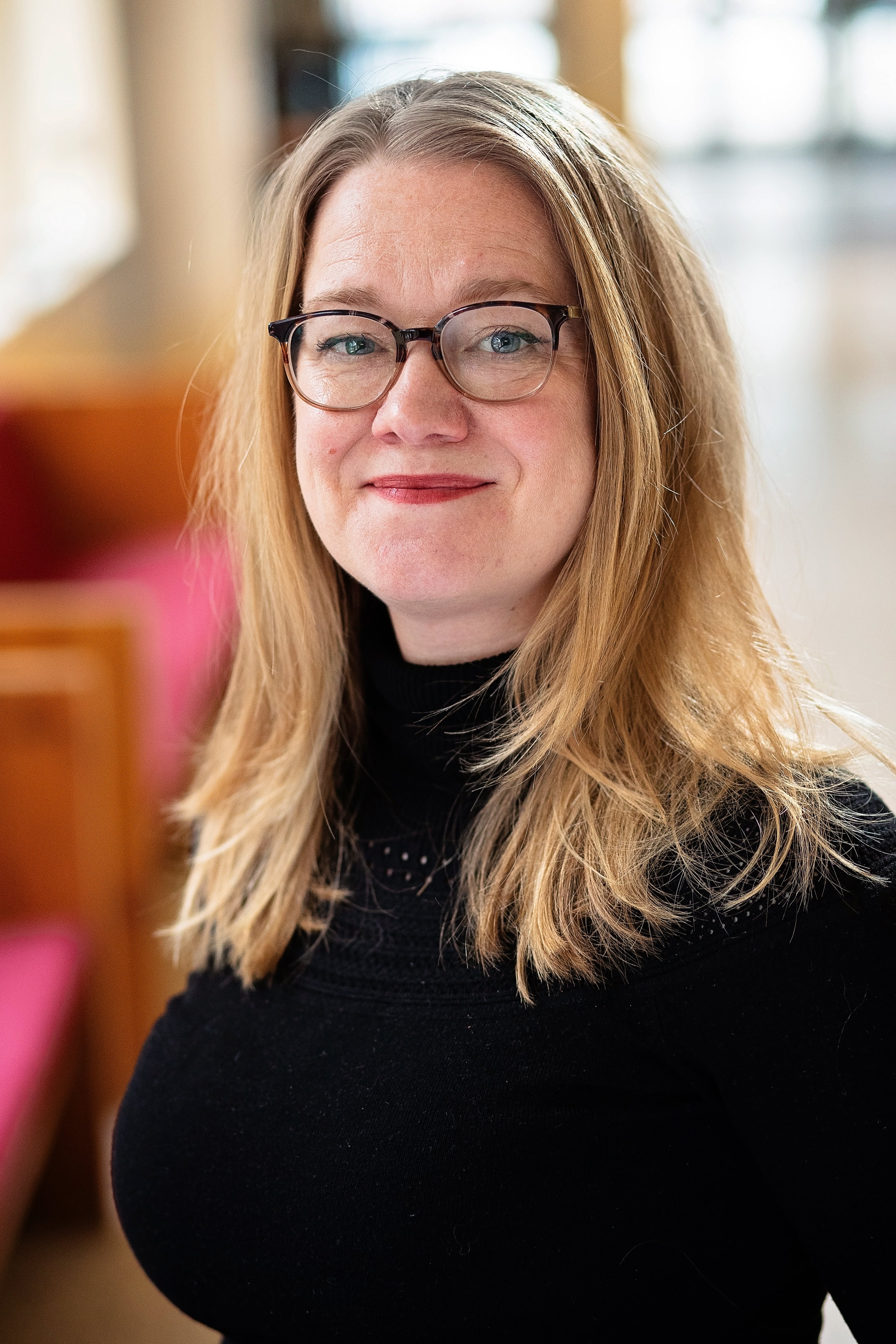
Shana MacDonald
Co-Director, SIGNAL
Recent Work
Learn more about Shana. Shana MacDonald on Google Scholar
University of Waterloo
Brianna I. Wiens
Co-Director, SIGNAL
Recent Work
Learn more about Bri. Brianna I. Wiens on Google Scholar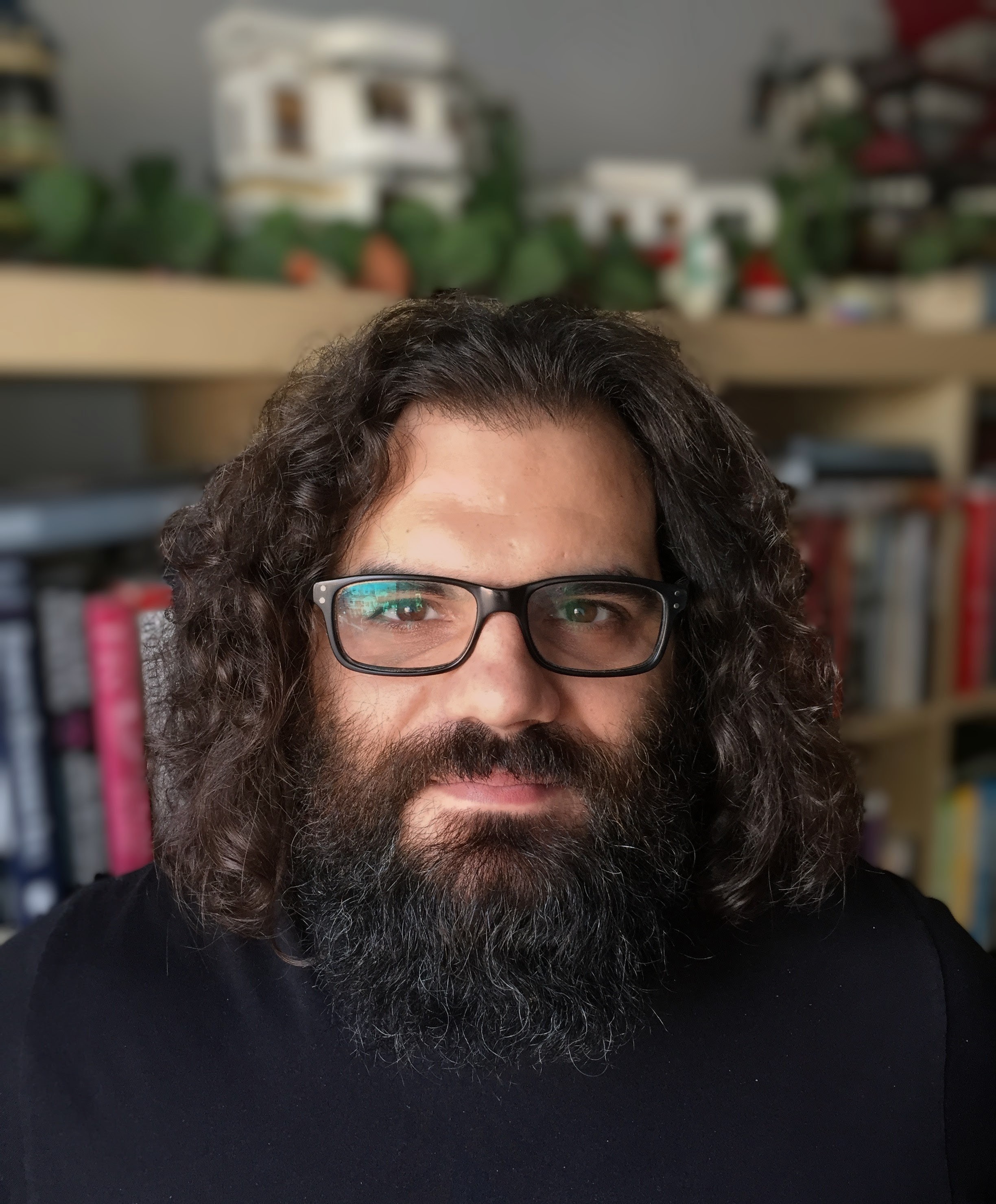
York University
Nick Ruest
Co-Director, SIGNAL
Recent Work
Learn more about Nick. Nick Ruest on Google Scholar
University of Ottawa
Jada Watson
Co-Director, SIGNAL
Recent Work
Post-Docs
University of Waterloo
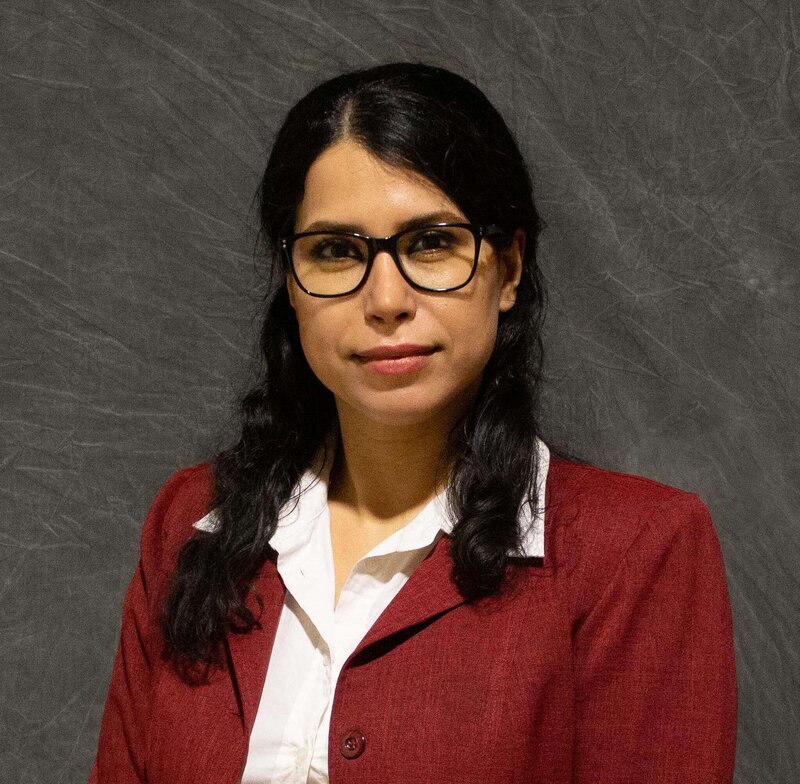
Dr. Farinaz Basmechi
Postdoctoral Fellow, SIGNAL
Recent Work
University of Waterloo
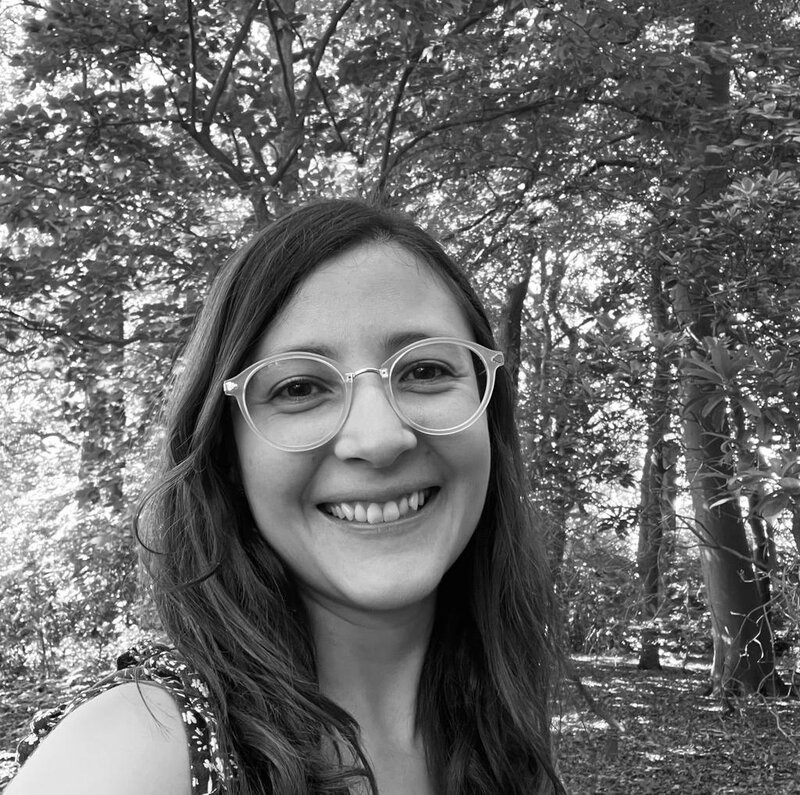
Dr. Laura Blanco-Murcia (she/her)
Postdoctoral Fellow, SIGNAL
Laura Blanco-Murcia is a postdoctoral fellow at the University of Waterloo, who is passionate about the intersections between gender, care, sustainability, and the narratives about these topics. She holds a Ph.D. in Sustainability Management from the University of Waterloo, a Master’s in Liberal Arts in Sustainability from Harvard University, and a Bachelor’s in Psychology from Pontificia Universidad Javeriana. Through her work, Laura finds insights to foster the emergence and growth of caring communities that prioritize human and more-than-human wellbeing over financial gains.
At SIGNAL, she is leading a qualitative project about on-campus experiences of misogyny, queerphobia, and transphobia, as well as a project that explores the contents shown in young adults’ social media feeds. She is also part of the team studying how Canadian activists are countering the Manosphere, and is developing educational tools and resources to foster Prosocial Online Communities. Her next research project explores how online narratives about caring masculinities are providing alternatives to hate-based narratives, and could enable more equal and sustainable futures. Originally from Colombia, Laura lives in Canada with her partner, her wonderful kid, and two crazy dogs.
Recent Work
Laura Blanco-Murcia on Google Scholar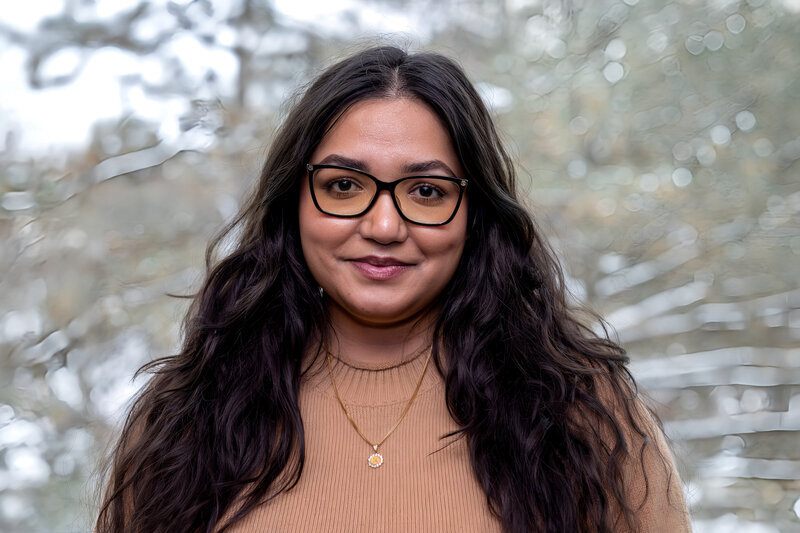
University of Toronto
Dr. Karmvir K. Padda
Postdoctoral Fellow, SIGNAL
Dr. Padda is an award-winning researcher, writer, and educator.
She is currently a SSHRC Canada Postdoctoral Research Award Fellow at the University of Toronto and holds a PhD in Sociology from the University of Waterloo. She was previously a CIGI Digital Policy Hub Postdoctoral Fellow, supported through the Mitacs Accelerate program. Her doctoral research was supported and recognized through the Joseph-Armand Bombardier Canada Graduate Scholarship, the P.E.O. International Scholar Award, and the Harry Frank Guggenheim Emerging Scholar Award.
Her research examines online radicalization, digital extremism, misogyny, and online harms. Using mixed and computational methods, she studies how harmful ideas and communities develop across digital spaces, how gender shapes extremist narratives and violence, and how artificial intelligence, automated content moderation, platform governance, and other emerging technologies shape contemporary forms of online harm.
She is also committed to teaching, mentorship, and making research accessible and useful across academic, policy, and public settings.